
ANALYSIS OF BIOACOUSTIC PARAMETERS OF FRANCISCANA DOLPHINS (PONTOPORIA BLAINVILLEI) AND EFFECTIVENESS OF ACOUSTIC ALARMS IN ARTISANAL FISHERIES: GENERATING SUBSIDIES FOR MANAGEMENT AND CONSERVATION
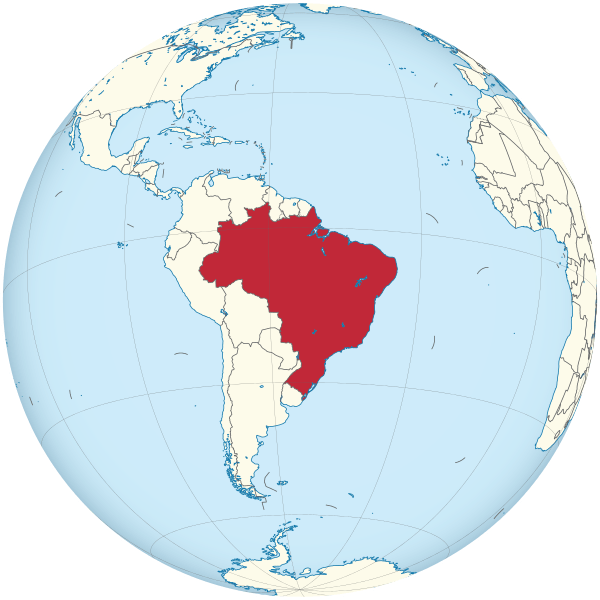
LOCATION: BRAZIL
Marta Jussara Cremer, PhD; Renan Lopes Paitach, PhD; João Miguel Neri Camilo Moreira, MSc; Kamila Andressa do Nascimento Maieski, MSc; Suelen Maria Beeck da Cunha, MSc; Raphaela Mota Gurgel, Naira Rosana Albuquerque, MSc
Universidade da Região de Joinville – UNIVILLE
|
Pedro Volkmer de Castilho, PhD |
Luiz Gustavo Ramos Arrial |
PROJECT SUMMARY
Projeto Toninhas
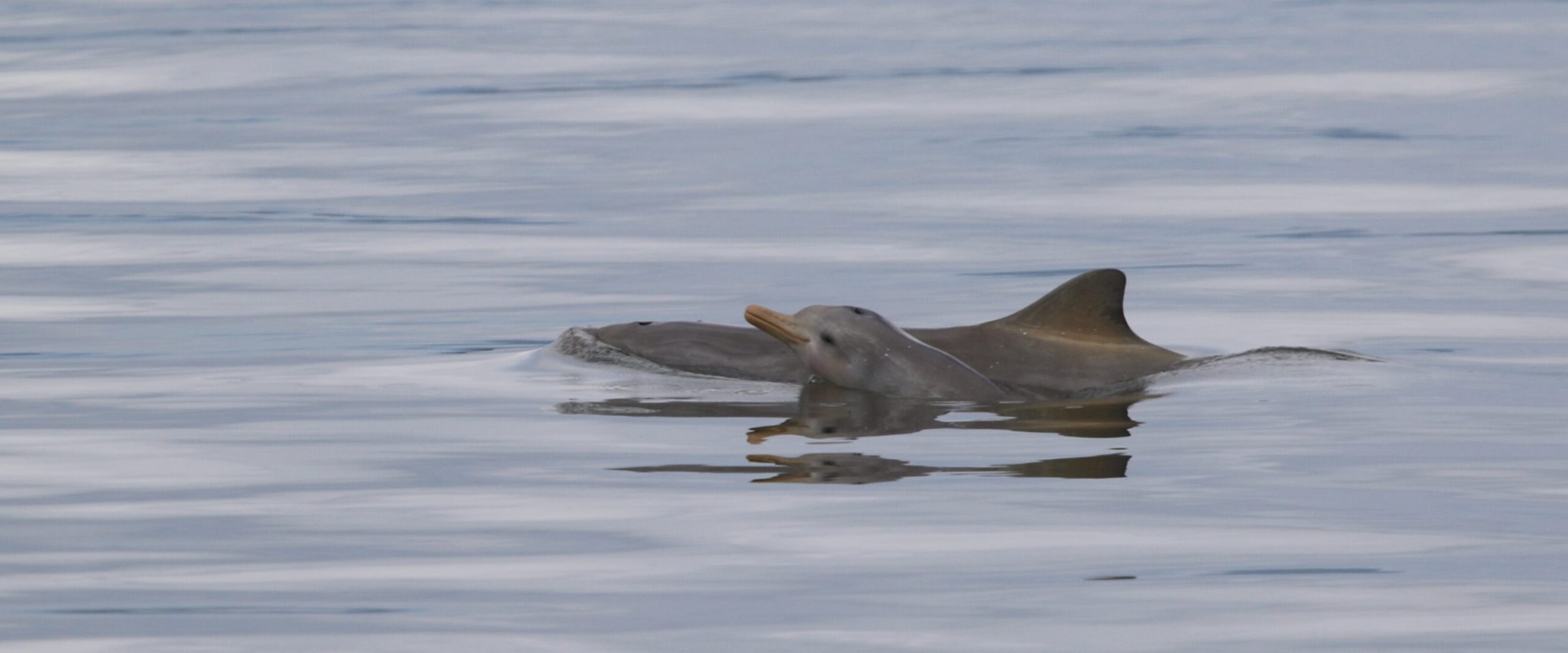
The high bycatch rates in fishing nets make the franciscana dolphin (Pontoporia blainvillei) the most endangered small cetacean in the Western South Atlantic Ocean. Among possible solutions for bycatch is the use of acoustic alarms, or “pingers”, which are easy to implement, and can reduce mortality in the short-term. Nonetheless, the feasibility of its implementation and their efficiency in particular regions must be evaluated, including the analysis of side effects (FAO, 2019). There is evidence that high-frequency “seal-safe” pingers are effective in warding off franciscanas (Bordino, 2018; Paitach et al., 2022), but this needs to be validated in a real fishing situation, with several pingers arranged along a gillnet and operational and socioeconomic applicability of this approach being evaluated. Understanding the acoustic behavior of franciscanas in the vicinity of the nets, and how their behavior is affected by the pingers, is also needed in order to implement this solution.
Projeto Toninhas
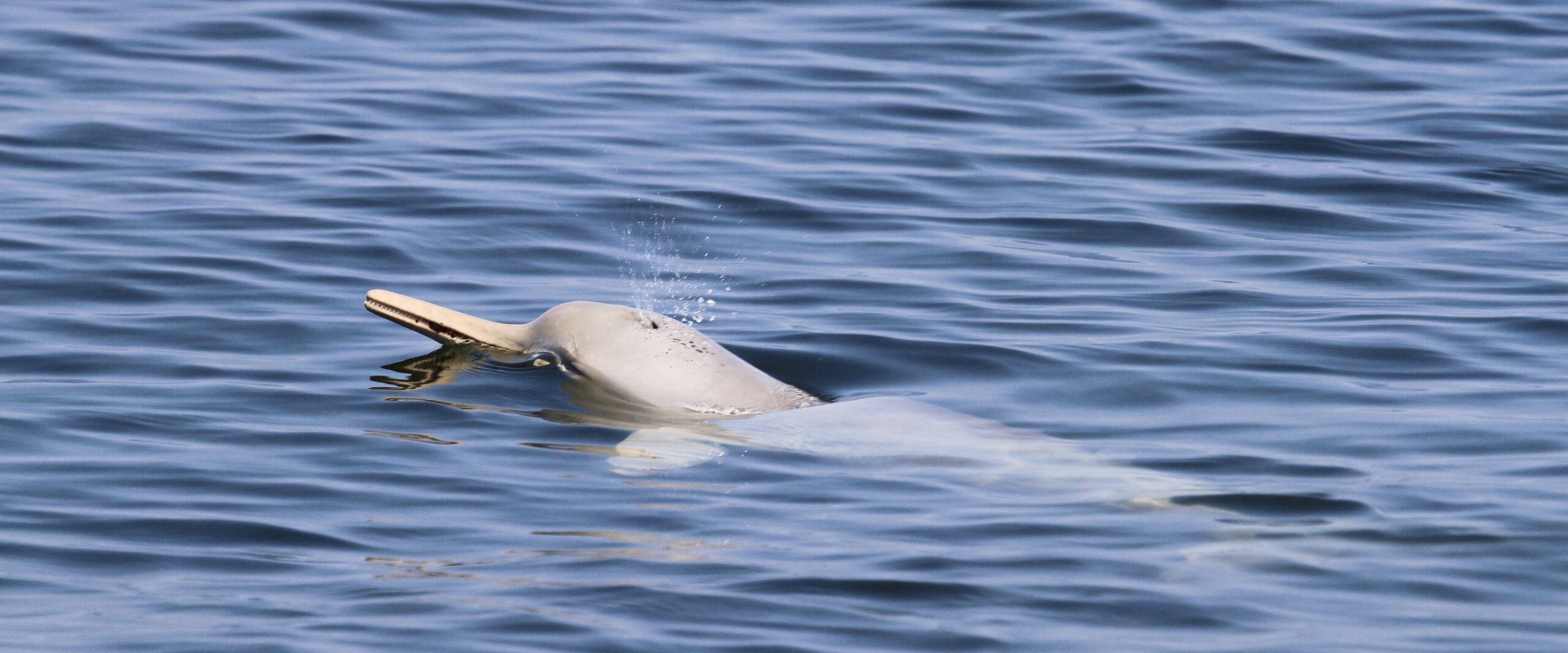
At the same time, it is essential to involve fishing communities through educational and environmental awareness actions. The monitoring of abundance is an essential factor to assess the conservation status and the effectiveness of public policies that aim to contribute to the reduction of mortality. Considering the specific characteristics of the sounds produced by the franciscanas, the MAP is an alternative, including for monitoring the distribution of the species on a large scale (Paitach et al., 2022). Therefore, it is essential to know the basic parameters to obtain population estimates of the franciscana by acoustic methods, such as the individual emission rate, whose information is not available. In addition to contributing information on population parameters, towing acoustics allows the collection of data on the distribution of franciscana populations, which represents an important benefit for environmental impact assessment in the coastal zone.
*This grant was made possible in partnership with the Brazil Foundation, who served as the grant maker.
 |
 |
 |