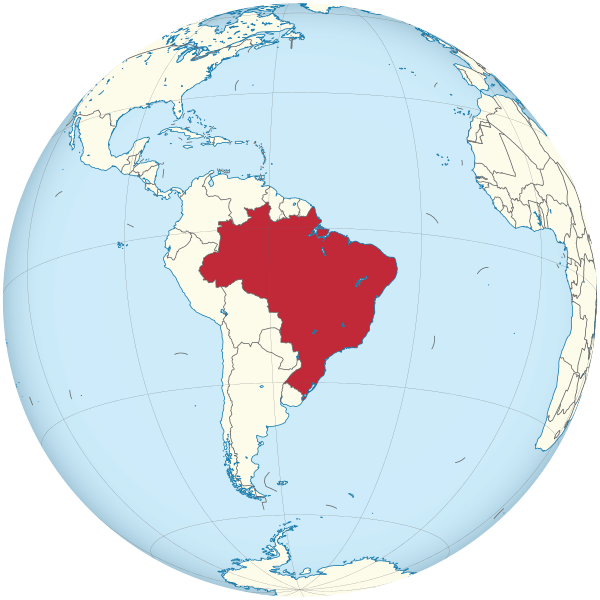
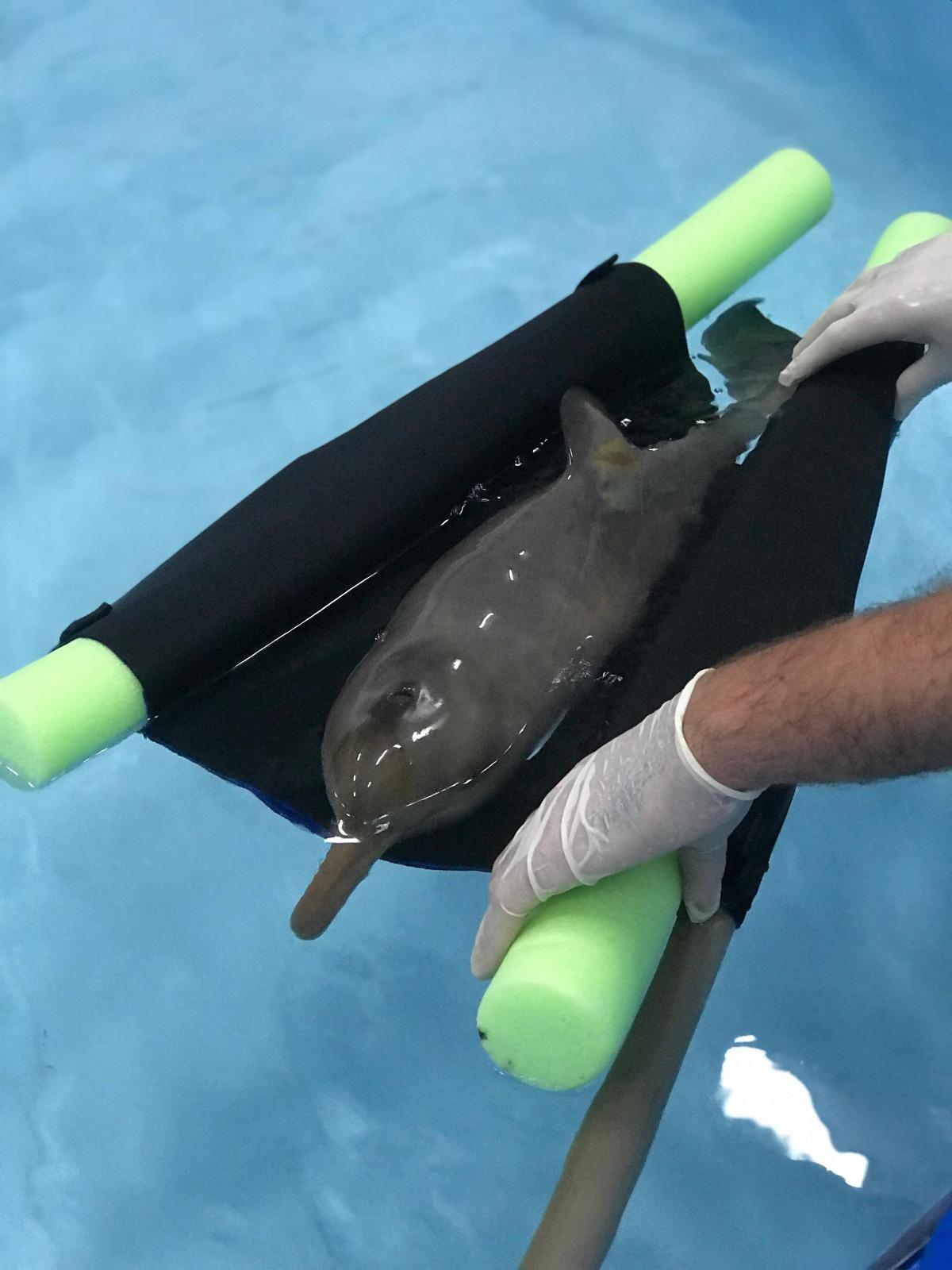
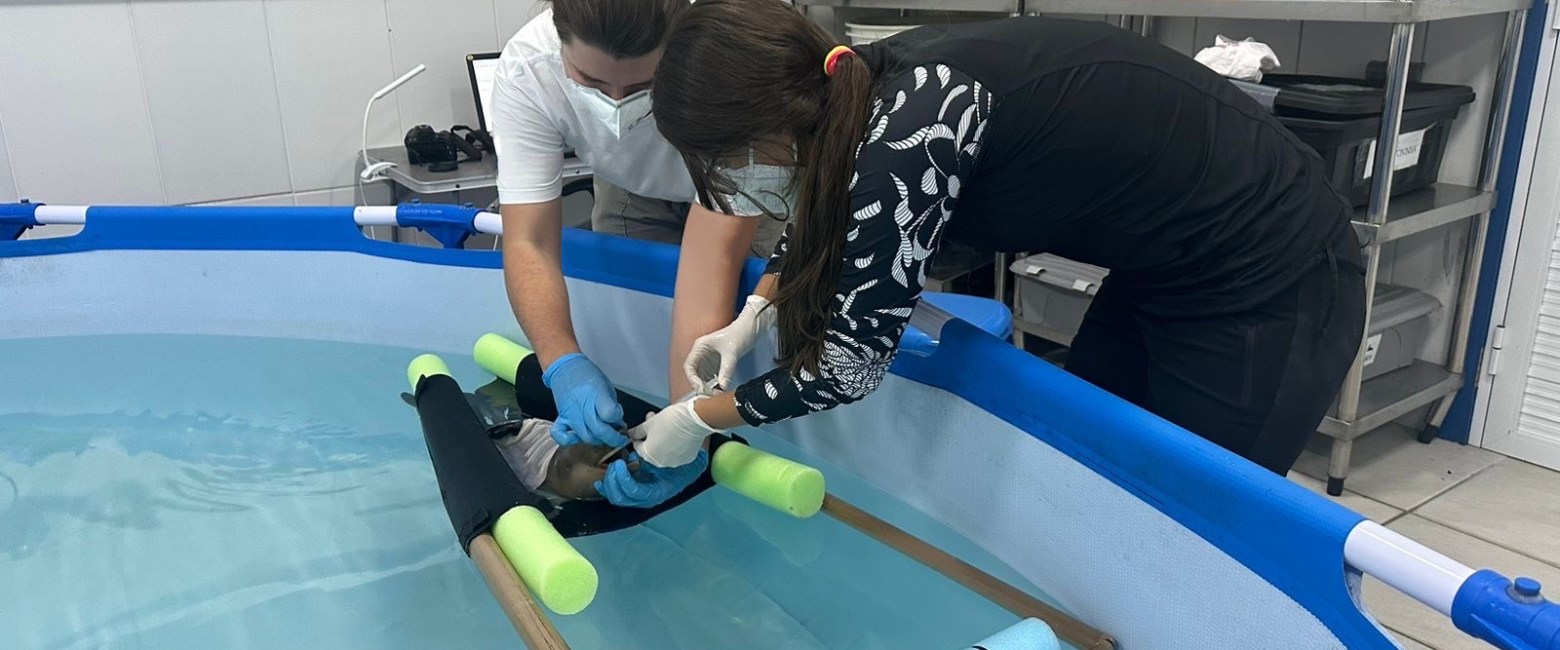
The Franciscana dolphin is a small cetacean found along the coast of Brazil. By inhabiting coastal areas, they are closely impacted by human activities such as fishing and pollution. Urgent conservation needs of this species involve improved understanding of the high causes of calf stranding rates as well as improving the rehabilitation survival outcomes. This proposal has a two-tiered approach aimed at addressing the critical conservation needs of this species. In collaboration with local partners, the primary aim is to increase veterinary capacity at the rehabilitation facilities in São Paulo through in person training and consultation with veterinary cetacean experts and by advancing the diagnostic capabilities of the facilities through ultrasound and disease testing.
The second aim is to explore both past and future adult female stranded cases to understand the different reasons as to why mom/calf separation is occurring. We need to improve our understanding of the health status of the moms to see if they are capable of successfully rearing a calf through both pregnancy and nursing. This study will improve both the medical care and attention the calves receive in rehabilitation, and try to understand the reasons why so many strand and become separated from mom, which is a huge problem in the successful conservation of this endangered species.